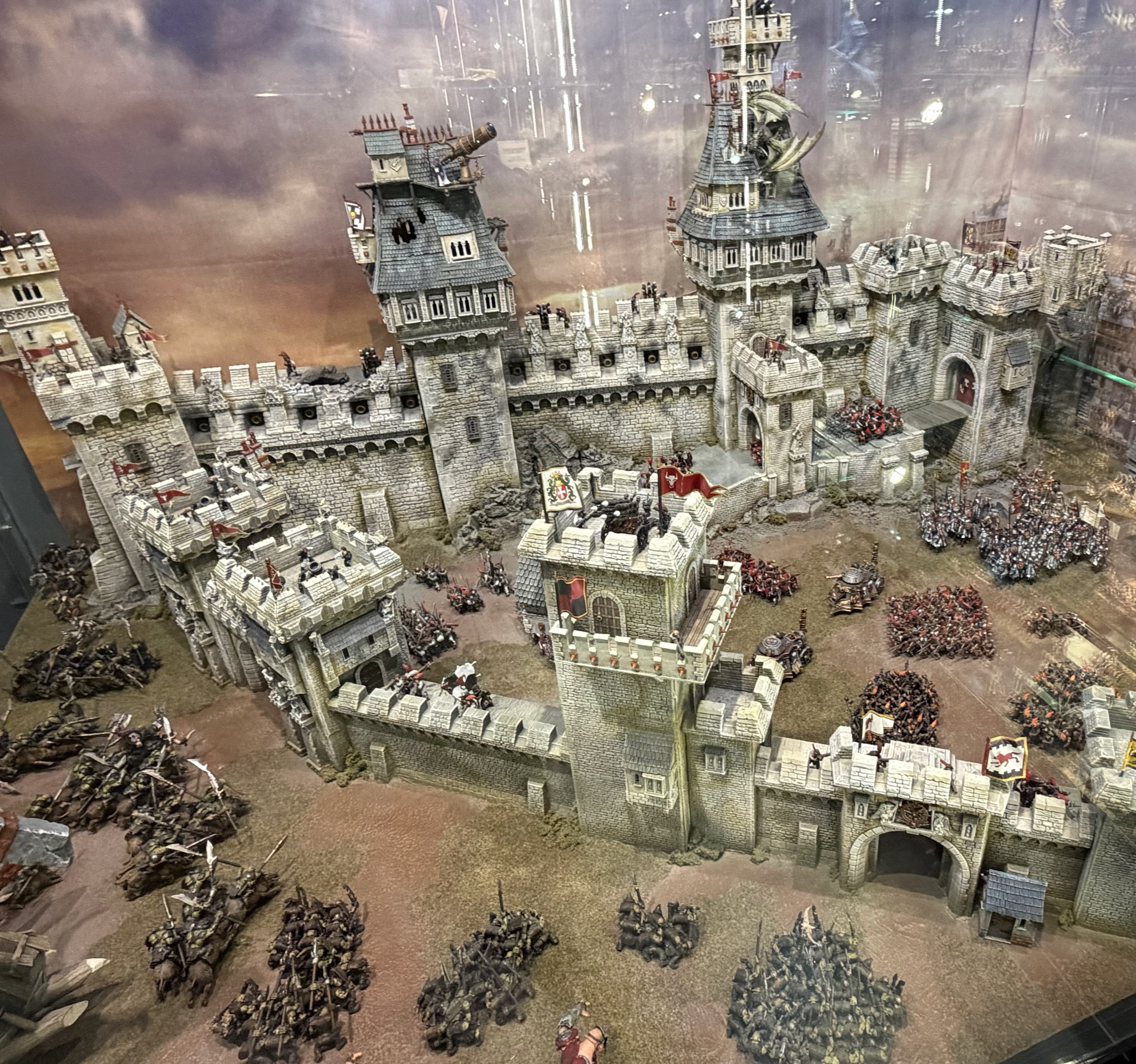
The Siege of Volganoff at Warhammer World

The Siege of Volganoff pitted the disciplined defenders of the Empire against a massive, besieging Orc and Goblin army. At first, the defense held strong; Imperial wizards rained down destructive spells from high positions while artillery batteries systematically shattered the greenskin ranks. However, the Orcs retaliated with devastating assets of their own, deploying crude, ramshackle siege engines alongside flying monstrous beasts that swooped down to tear apart the garrison on the walls. As the deafening thunder of black-powder firearms clashed with the bloodthirsty war cries of the horde, the city’s gates began to splinter, leaving the ultimate fate of Volganoff hanging in the balance.

The Siege of Volganoff was originally displayed as the Siege of Altdorf at Games Day 2010 and was then put into place at Warhammer World in 2015. A few years later it was reduced in size. The Chaos forces were replaced with Orcs and the the “new” diorama was entitled the Siege of Volganoff.

I have always liked this diorama, which utilised the plastic Warhammer Mighty Fortress kit. The original Siege of Altdorf diorama was much bigger, but the castles in both are of a similar size. Volganoff loses the breached walls and a few towers, but gains a circular tower, which is a taller extended version of the now retired Witchfate Tor Tower of Sorcery.

Whereas the Siege of Altdorf had Chaos as the main protagonist, the forces attacking Volganoff are orcs. There is a wonderful scratch-built Orc siege engine. Defending are numerous Empire Steam Tanks. In the skies, Orc Wyverns attack from above. So much to see in this one diorama.
More photographs of the Siege of Volganoff.

Nashorn Tank Destroyer

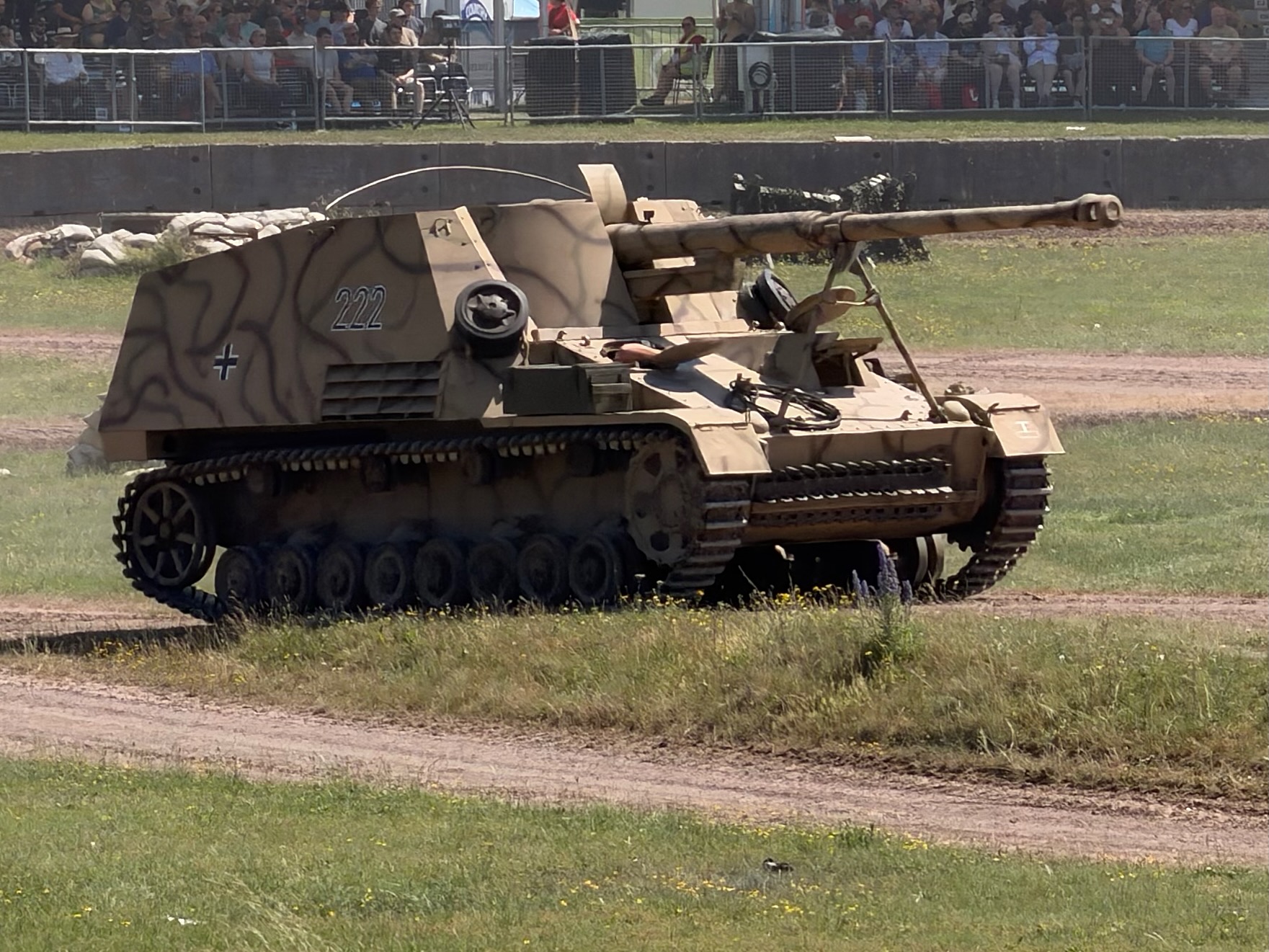
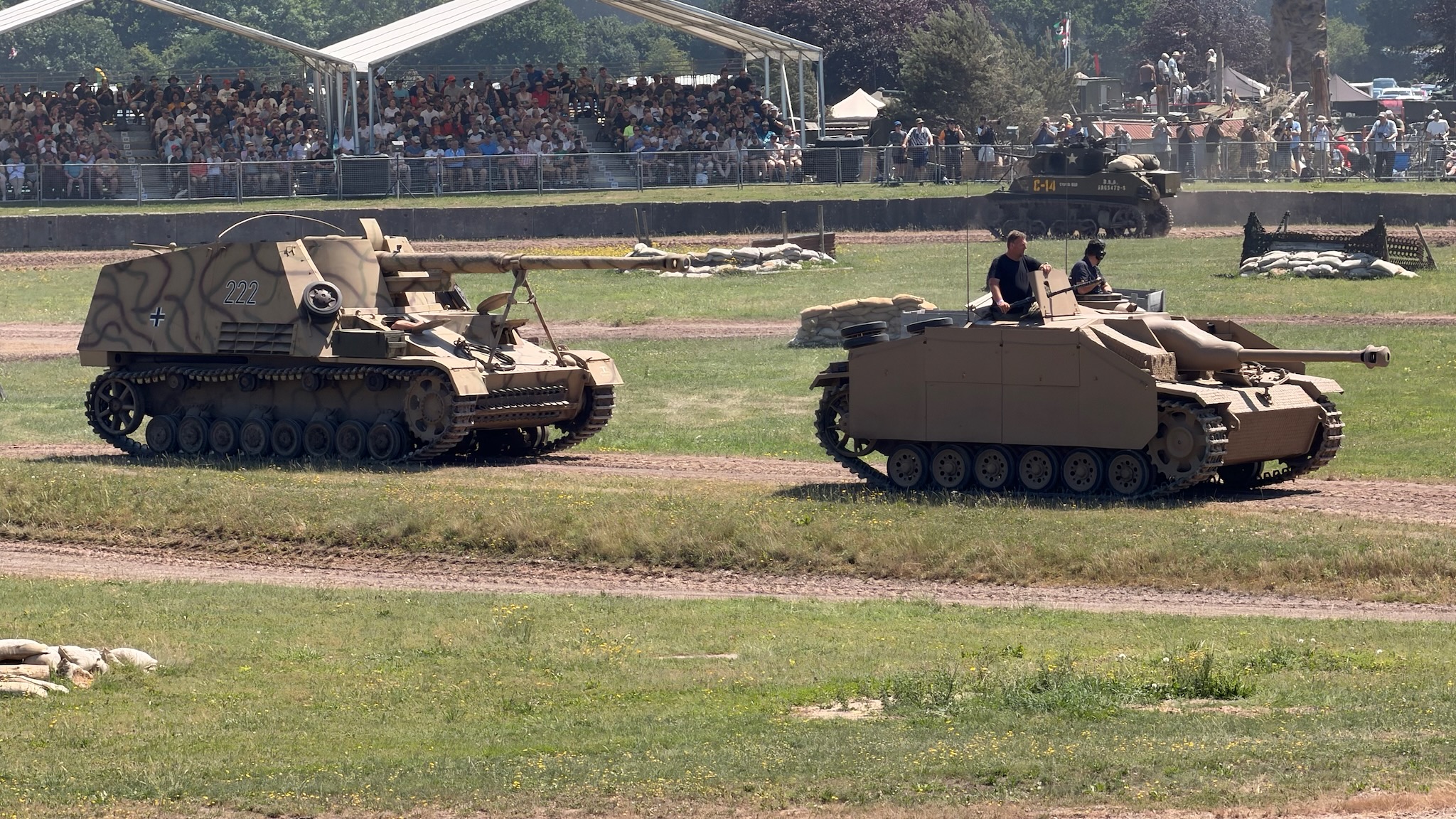
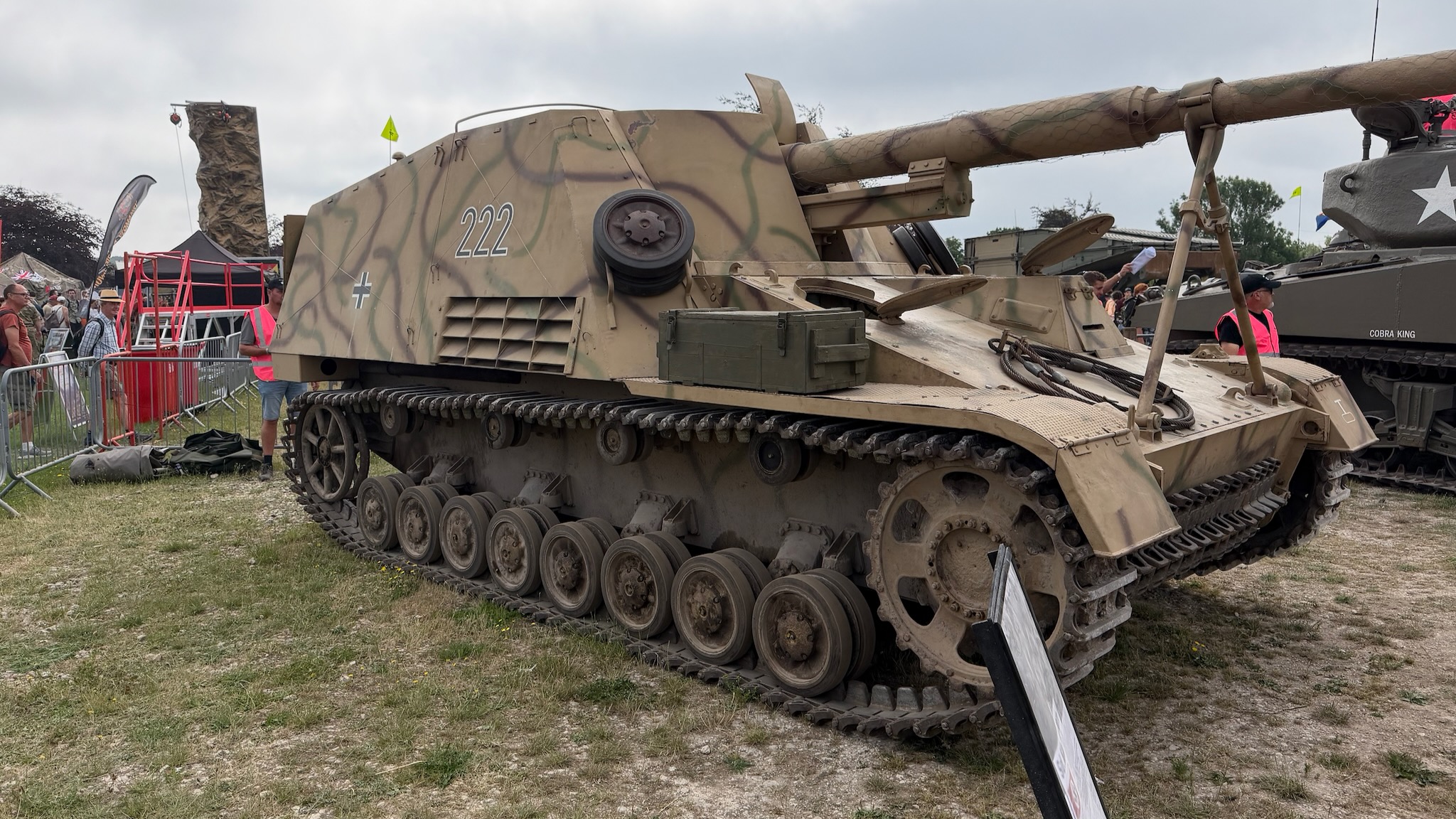
This Nashorn Tank Destroyer was taking part in Tankfest 26 at The Tank Museum.

The Nashorn (German for “Rhinoceros”) was a formidable German tank destroyer developed in 1942 as an interim solution to counter heavily armoured Soviet T-34 and KV tanks.

Built on the specialised Geschützwagen III/IV hybrid chassis, which combined elements of both the Panzer III and Panzer IV medium tanks, it mated a highly mobile tracked platform with the devastating 8.8 cm Pak 43/1 anti-tank gun.

This weapon was one of the most lethal anti-tank guns of World War II, capable of penetrating the armour of almost any Allied or Soviet vehicle at extreme ranges, often well before the enemy could close the distance to fire back.

However, to offset the immense weight of the 8.8 cm gun and maintain mobility, the Nashorn was designed with a tall, open-topped, and lightly armoured superstructure.

With only 10 mm of armour protection on its gun shield and sides, the crew was highly vulnerable to artillery fragments, small arms fire, and air bursts. Consequently, the Nashorn had to be operated strictly as a long-range sniper from concealed positions, utilising its exceptional gun optics and ballistics to strike from afar rather than engaging in close-quarters armoured brawls.

This is a privately owned Nashorn with the hull serial number 310163 and was restored to running condition in the Netherlands.

Sons of Horus Javelin Attack Speeder

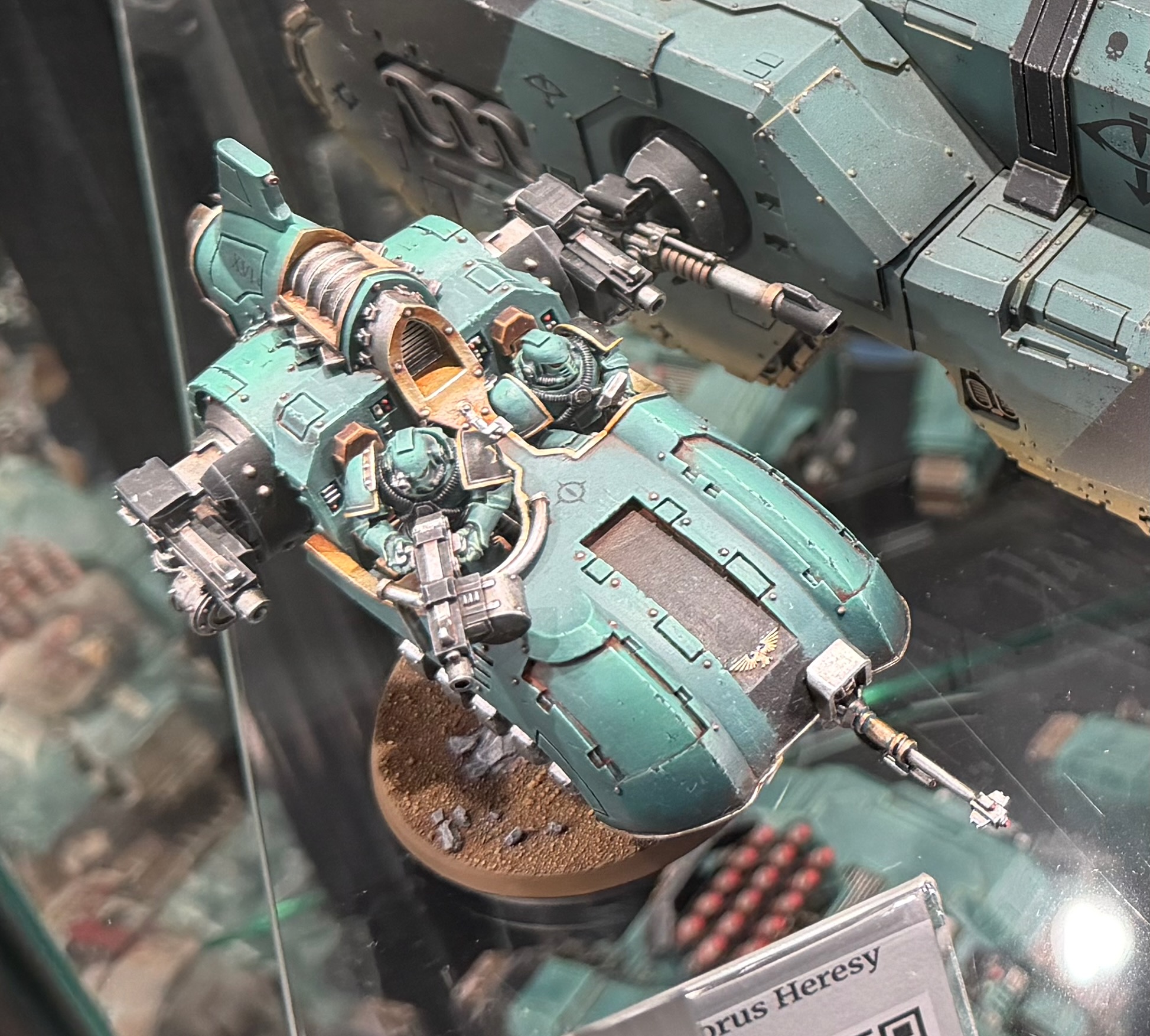
Sons of Horus Javelin Attack Speeder

Reserved for the most critical lightning-strike missions of the Age of Darkness, the Javelin Attack Speeder is a sleek, highly coveted fire-support craft whose mastery of antigrav technology borders on tech-heresy. Built around esoteric impellor systems so complex and poorly understood that elements of the Mechanicum view their manufacture with deep suspicion, the Javelin effortlessly balances raw speed with extended operational endurance. Unlike lighter land speeders, its heavily reinforced chassis allows it to hover gracefully over hostile terrain while bearing an astonishingly heavy payload; ranging from tank-busting laser destroyers and heavy missile launchers to infantry-shredding heavy bolters. Highly manoeuvrable and capable of delivering devastating precision bombardments to any corner of the battlefield, the Javelin remains one of the most prized mobile assets in the arsenal of the Legiones Astartes.

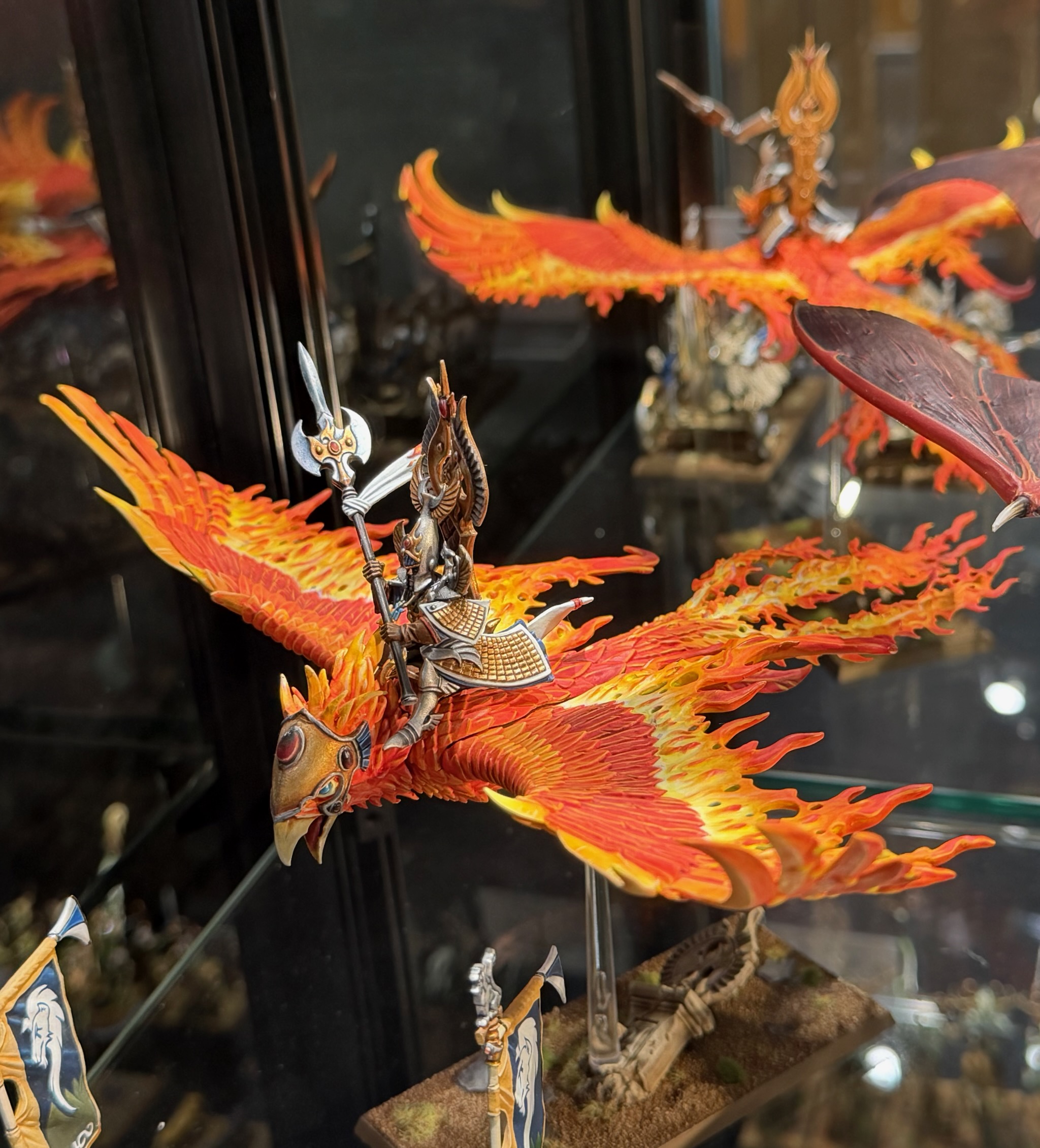
Frostheart Phoenix

This Frostheart Phoenix model was in the displays at Warhammer World.

frostheart phoenix

The Frostheart Phoenix is a creature of pure ice and cold. Its presence on the battlefield chills the air and saps the will of nearby enemies, reducing their combat prowess and turning the momentum of a battle in the High Elves’ favour. Its icy attacks can freeze foes solid, and it offers a powerful counterpoint to the more destructive nature of the Flamespyre Phoenix.

As with many Warhammer models, you have a choice you can either make the kit as a Frostheart Phoenix or Flamespyre Phoenix. They can be made with a High Elf Lord rider.

Iraqi T55 Tank

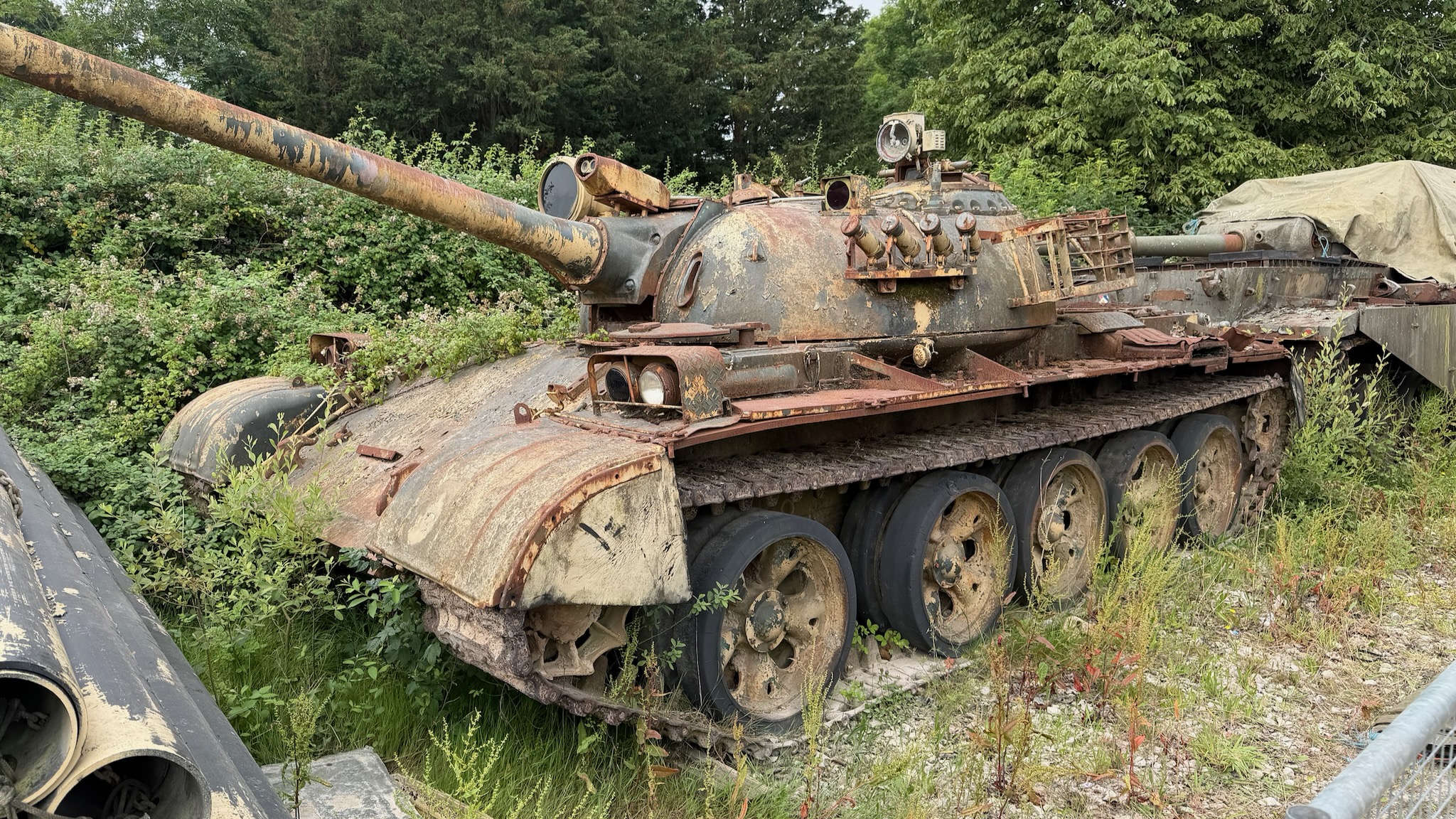
These rusty Iraqi T-55 tanks were next to the Tank Park at Tankfest 26 at the Tank Museum.

The T-55 is a series of Soviet-era medium tanks that were introduced shortly after World War II. It is one of the most widely produced tanks in history, with over 100,000 units built in the Soviet Union and under license in Poland and Czechoslovakia. The T-55, along with its predecessor the T-54, became the backbone of armoured forces for the Warsaw Pact and many other nations.

The tank featured a low-slung, compact design with a cast, dome-shaped turret and was armed with a 100mm rifled gun. While it was considered advanced for its time, its design was later outmatched by more modern tanks. However, its simple, rugged, and reliable nature has allowed it to remain in service with various armed forces worldwide, often with significant upgrades.

Operation Unthinkable T55 Tanks on the workbench.

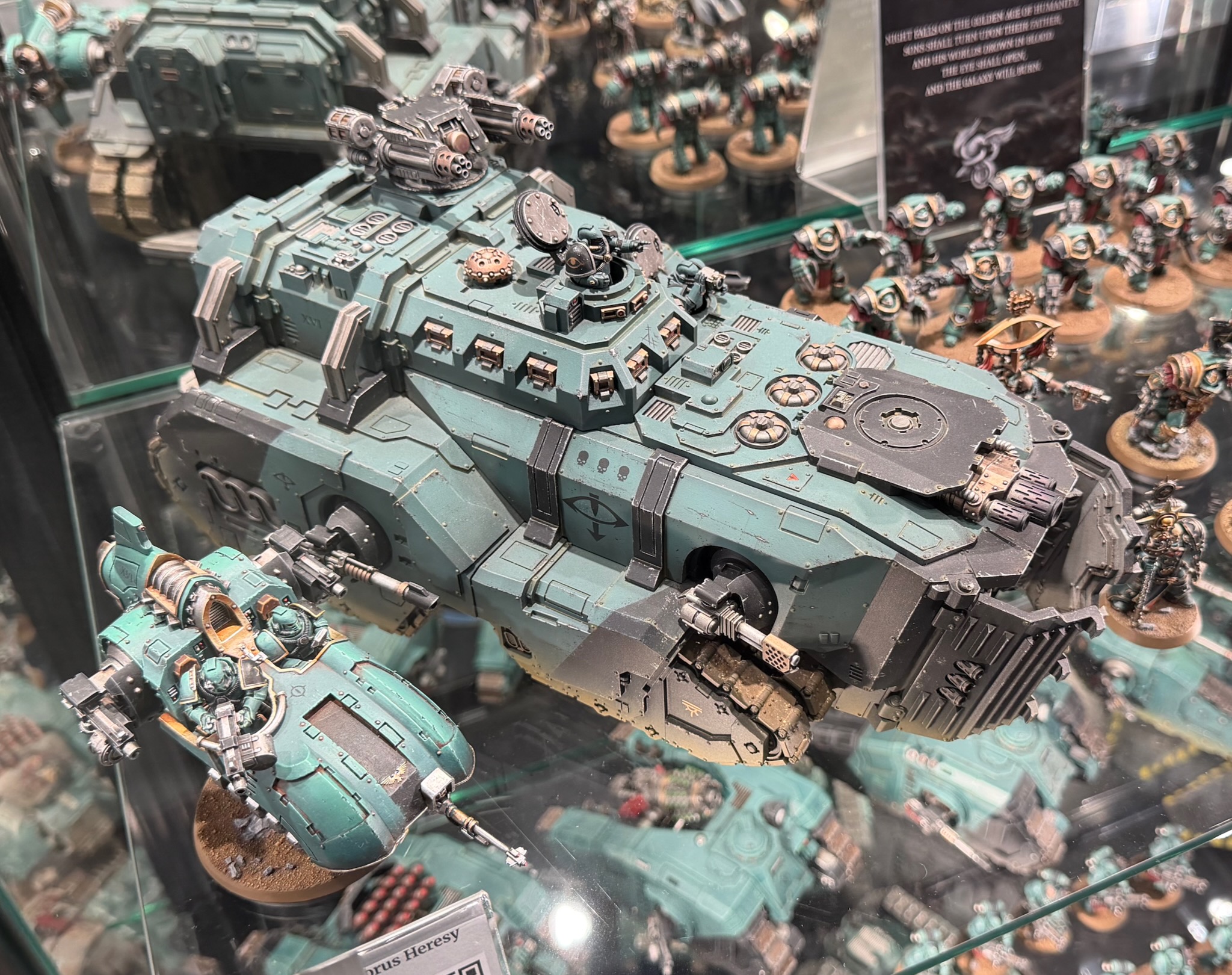
Sons of Horus Mastodon Heavy Assault Transport

The Mastodon was one of the heaviest assault transports in the arsenal of the Legiones Astartes during the Great Crusade.

Sons of Horus Mastodon Heavy Assault Transport

Its cavernous assault bay, capable of housing almost half a Company, is protected both by thick layers of ceramite armour as well as crackling void shields. It also mounts a fearsome siege melta array, allowing it to breach even the most formidable defences with ease, as well as an array of secondary weaponry intended to defend the vehicle as it approaches its target. Unleashed only against the most fearsome of enemy redoubts, there are few obstacles that can stay the wrath of this relic of the Imperium’s bloody birth.

The Mastodon is heavily armed and armoured, carrying 40 Space Marines, and even Dreadnoughts, safely to the heart of battle. Whilst embarked, the warriors within will defend their immense transport, turning the sponson weapons on any enemy brave or foolish enough to come close. Its Siege melta array can easily destroy fortifications, and makes short work of armoured vehicles, whilst its Skyreaper Battery will tear through any airborne threat with ease.

High Elf Archmage on a Moon Dragon

This High Elf Archmage on a Moon Dragon was in the display cabinets at Warhammer World.

Soaring high above the battlefield on wings of shimmering sapphire and silver, a High Elf Archmage riding a Moon Dragon represents the ultimate synthesis of Ulthuan’s magical supremacy and martial majesty. These ancient, venerable mages possess a peerless command over the Winds of Magic, weaving reality-shaping spells from atop their colossal mounts. The Moon Dragon itself, older, wiser, and far more lethal than its Sun-born kin, shatters enemy formations with its devastating, pale-blue breath weapon. Together, rider and beast function as a majestic but terrifying force of nature, raining down arcane devastation while tearing apart the foes of the Phoenix King with crushing talons.

As with many models in the Old World range for Warhammer, this kit can be built as a High Elf Archmage on a Moon Dragon, or a High Elf Lord on a Fire Dragon.

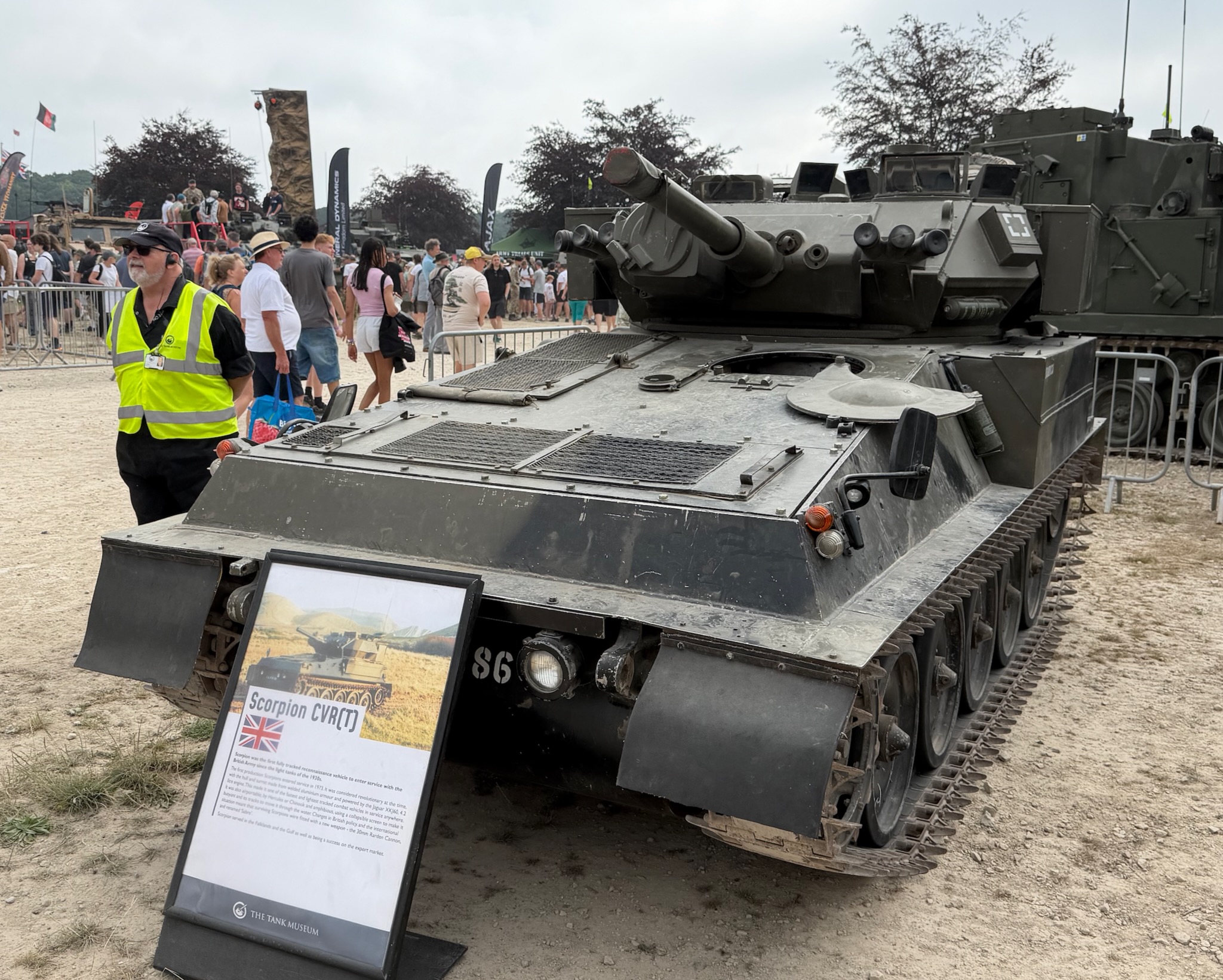
FV101 Scorpion CVRT at Tankfest

The Scorpion Combat Vehicle Reconnaissance (tracked) FV101 was at Bovington. Though most people would call it a light tank.

The FV101 Scorpion is a British armoured reconnaissance vehicle. It was the lead vehicle and the fire support type in the Combat Vehicle Reconnaissance (Tracked), CVR(T), family of seven armoured vehicles. Manufactured by Alvis, it was introduced into service with the British Army in 1973 and served until 1994.

Scorpion became the first of a whole family of fighting vehicles including Scimitar, Striker and Samaritan. It served in the Falklands and the Gulf as well as being a success on the export market. Changes in British policy, and the international situation meant that surviving Scorpions were fitted with a new weapon, the 30mm Rarden Cannon, and renamed Sabre.

It has been supplied to Belgium, the Irish Republic, Malaya, New Zealand, Nigeria, Oman and Venezuela.

I have some Team Yankee Scorpions, they are currently in the process of being painted as BAOR versions.

Some thoughts on the RAF Regiment Scorpion I saw at RAF Cosford.

Rogal Dorn Battle Tank at Warhammer World

Named in honour of the legendary Primarch of the Imperial Fists, the Rogal Dorn Battle Tank is a ponderous, heavily armoured behemoth designed to anchor the Astra Militarum’s armoured spearheads.

Larger and far more heavily protected than the ubiquitous Leman Russ, yet more nimble than a massive Baneblade, the Rogal Dorn bridges the gap as a dedicated heavy combat vehicle capable of taking immense punishment while shattering enemy fortifications. Its cavernous hull bristles with an imposing array of weaponry: the main turret can be fitted with either a devastating twin battle cannon or a high-caliber Oppressor cannon paired with a co-axial autocannon, while hull-mounted weapons, ranging from heavy meltas and castigator gattling cannons to pintle heavy stubbers—allow it to sweep away infantry and heavy armour alike.

Engineered with thick, reinforced plating and an imposing profile, the Rogal Dorn stands as an unyielding fortress on tracks, embodying the uncompromising resilience of its namesake across the war-torn battlefields of the 41st Millennium.

Bridging the gap between the ubiquitous Leman Russ and the gargantuan Baneblade, the Rogal Dorn Battle Tank is a ponderous, heavily armoured line-breaker engineered for the Astra Militarum’s most brutal grinding engagements. Named after the steadfast Primarch of the VII Legion, this heavy combat vehicle combines thick, damage-absorbent plating with immense, flexible firepower.

Its imposing main turret can mount a crushing twin battle cannon or an armour-shredding Oppressor cannon with a co-axial autocannon, while secondary mountings allow for an overwhelming barrage of castigator gatling cannons, heavy meltas, and sponson-mounted heavy bolters. Mobile enough to keep pace with armoured spearheads yet durable enough to act as a rolling fortress, the Rogal Dorn brings the uncompromising resilience and devastating artillery of its namesake directly to the front line.

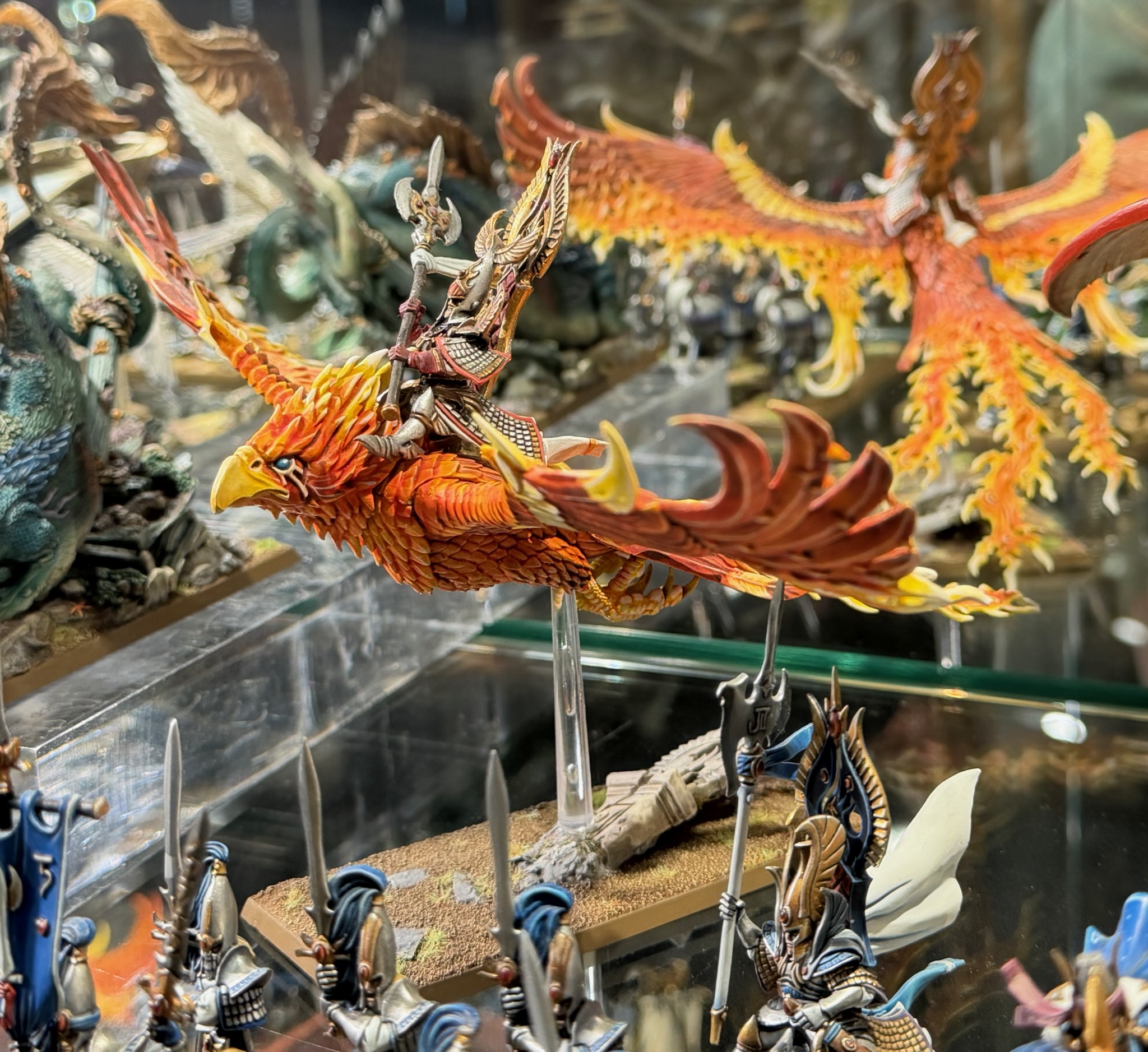
Flamespyre Phoenix

These Flamespyre Phoenix models were in the displays at Warhammer World.

Attuned to the Wind of Fire, the Flamespyre Phoenix is a majestic avatar of destruction and rebirth that roosts among the fiery peaks of the Annulii Mountains. As it cuts through the sky, its fiery plumage leaves a searing trail of embers in its wake. In battle, this magnificent beast swoops over enemy regiments, unleashing a torrential ribbon of magical flame known as the Wake of Fire. Should a foe manage to strike the creature down, its death is merely a prelude to rebirth; its corpse exploding in a fiery burst before rising anew from the ashes to continue the slaughter.

As with many Warhammer models, you have a choice you can either make the kit as a Frostheart Phoenix or Flamespyre Phoenix. They can be made with a High Elf Lord rider.